As the world observes the International Day of Older Persons, Healthy Aging India is showcasing its pioneering Intergenerational Learning Centre (IGLC) initiative – a model that is bringing generations together while addressing some of the most pressing issues faced by elderly citizens today.
Globally, the ageing population is growing at an unprecedented rate. According to the United Nations, the number of people aged 65 and above is expected to double from 761 million in 2021 to 1.6 billion by 2050. In India, where the elderly population currently stands at over 149 million (10% of the total population), this figure is projected to cross 300 million by 2050. While longevity is a sign of progress, it also brings challenges – social isolation, loneliness, lack of purposeful engagement, and vulnerability to age-related diseases such as dementia and Alzheimer’s. It is in this context that Healthy Aging India’s IGLC initiative offers a promising solution. Conceived by Dr. Prasun Chatterjee, North India’s first formally trained geriatrician, the programme reflects his lifelong mission to create age-inclusive societies. With an MD in Geriatric Medicine and more than two decades of experience, Dr. Chatterjee has managed the care of over one lakh senior citizens. A Fellow of the Royal College of Physicians (Edinburgh) and a Technical Advisory Group Member at the WHO, he has been a pioneering force in ageing, longevity, memory research, and integrated elder care. He has also led multiple government-funded research projects and served as Professor in the Department of Geriatric Medicine at AIIMS, New Delhi, before taking over as Chief – Geriatric Medicine at Artemis Hospitals. His vision laid the foundation for the IGLC model, built on the principle that older persons are not dependents but valuable contributors to society.
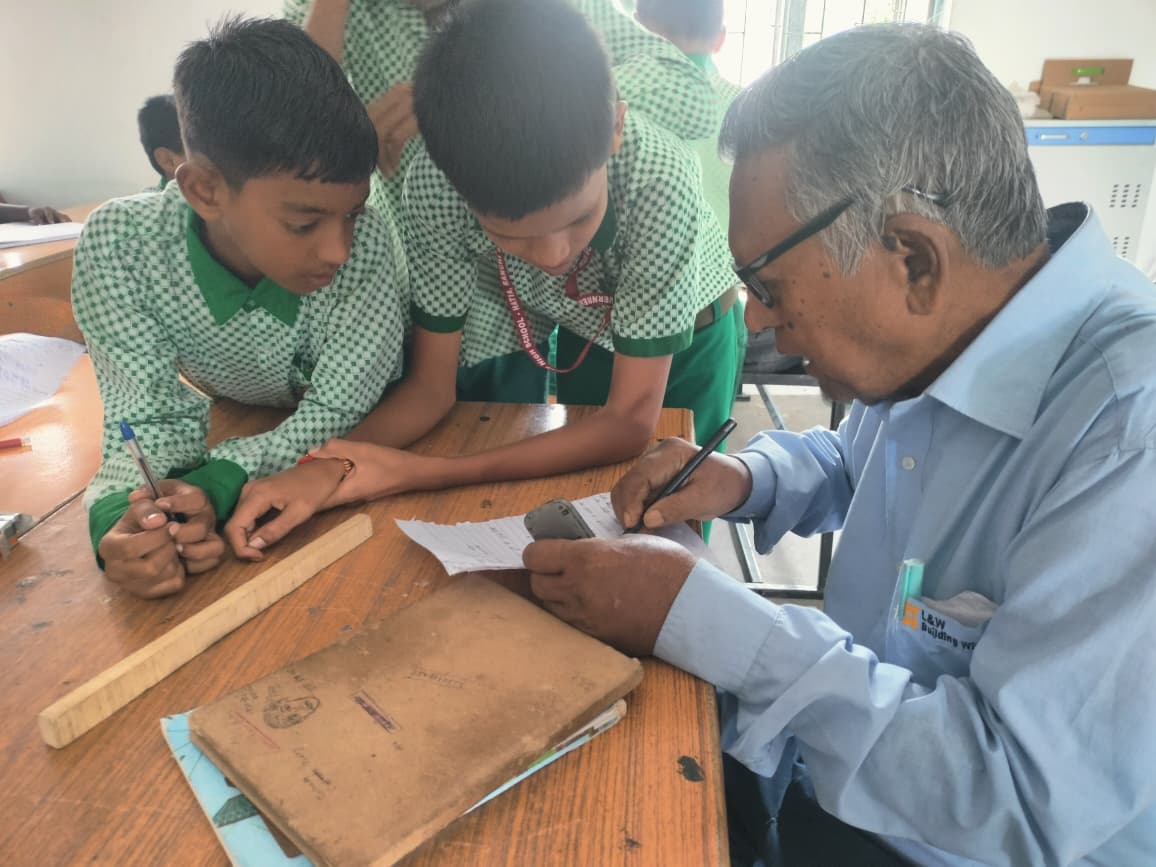
By engaging retired citizens as “elder educators” in government schools and community centres, IGLCs create a two-way bridge of learning and care. Senior citizens are meaningfully involved in classrooms, where they mentor students of Classes 6 to 8, share life experiences and impart moral, cultural and practical and indigenous knowledge.
The benefits are twofold. For children, IGLC provides additional academic support, strengthens social-emotional learning, and connects them with local traditions and values often missing in modern education. For the elderly, it promotes active ageing by keeping them intellectually engaged, socially connected, and emotionally fulfilled – while helping counter health risks associated with aging.
Currently, the programme is active in Ranchi and Dhanbad, with IGLCs running 25 Middle schools in partnership with the Jharkhand Education Project Council (JEPC) and 5 community centres supported by BCCL and CCL. Together, the initiative has engaged around 100 elderly educators and reached over 5,000 students directly and more than 8,000 children indirectly. In localities such as Hatia, Pandra, Karamtoli, Jagannathpur, Bajra (Ranchi) and Jharia of Dhanbad, IGLCs have become vibrant spaces where age and youth learn from one another.
Stories from the ground highlight the human impact.
“I used to feel lonely after retirement. Now every morning I look forward to meeting the children. Teaching them stories and values gives me new energy,” says Jhaleshwer Mali, a 68-year-old elder educator in Ranchi, who retired as Vigilant officer from H.E.C.
Anita Kumari, a Class 7 student in Dhanbad, Jharia shares, “Our ‘dadu-’ teaches us not only mathematics but also tells us about village traditions and games. We feel like we have more grandparents to guide us.”
Such stories reflect what research worldwide has already shown: intergenerational programmes not only improve children’s academic and emotional outcomes but also reduce depression and cognitive decline among seniors.
Beyond IGLCs: A Holistic Approach
IGLCs are part of Healthy Aging India’s broader mission to support the elderly through care, health, and community initiatives.
The BSES Seniors’ Abode in South Delhi provides safe, elder-friendly housing with nutritious meals, free medicines, physiotherapy, counseling, and geriatric care – fostering dignity, companionship and active living.
The Comprehensive Mobile Health Care Van, launched in 2018, delivers “doctors-at-doorstep” services to 29 old age homes and RWAs in Delhi. Treating nearly 100 patients daily, it offers disease screening, rehabilitation, and counseling while also encouraging intergenerational interactions.
In rural areas, the Mobile Medical Unit (MMU) takes healthcare to elders who cannot reach hospitals. Equipped with ophthalmic and physiotherapy facilities, it diagnoses cataracts, dispenses medicines, manages pain, and promotes healthy ageing awareness – improving quality of life and reducing hospitalizations.
Marking the occasion, representatives of Healthy Aging India stated, “Our vision is to build an age-inclusive society where elders are not seen as dependents but as valuable contributors and invaluable indigenous knowledge is preserved and passed on to future generations.”
Through IGLCs, we aim to scale this model across Jharkhand and beyond so that every child grows up with the guidance of experienced elders and every elder find dignity, purpose and companionship.”
As India navigates the challenges of an ageing society, the IGLC initiative – born out of Dr. Chatterjee’s pioneering work in geriatric medicine – offers a replicable pathway: one that transforms ageing from a phase of decline into a stage of contribution and education from a textbook exercise into a lived experience enriched by wisdom.
This International Day of Older Persons, the message is clear – when generations come together, communities grow stronger, healthier and more compassionate